Where modern trad
was invented.
Gritstone in the Peak, slate in Snowdonia, sea cliffs in Pembrokeshire, Lakeland rhyolite — short routes by world standards, but technical, committing and unmistakeably British in style. This is where modern trad climbing was developed, and where most climbers visiting the UK go to get a proper feel for placing gear.
Common questions,
answered briefly.
Who is UK climbing for?
Anyone who fancies trying it — most climbing gyms and outdoor centres run beginner sessions that need no prior kit, fitness or experience. The traditional UK route into the sport runs gym → bouldering → sport → trad, with most climbers finding their natural level somewhere along that arc. Strength matters less than technique and patience at every grade.
Where can I rock climb in the UK?
Gritstone in the Peak (Stanage, Burbage, Froggatt, Curbar) for short steep trad routes; Snowdonia (Tryfan, Lliwedd, Llanberis Pass and the Dinorwig slate) for mountain trad and slate sport; the Lake District for atmospheric mountain crags; Cheddar Gorge and Portland for sport limestone; Pembroke for sea cliffs. Indoor walls in every city run year-round.
When is the best season?
April to October for gritstone — the friction is best when the rock is cold and dry. Limestone (Cheddar, Portland, Peak limestone) is year-round but greasy in summer warmth. Sea-cliff climbing in Pembroke and on the Lleyn runs March to September, restricted by nesting-bird closures from March to August on some crags — check the BMC's Regional Access Database first.
What gear do I need?
For indoor climbing: rock shoes and chalk bag (rented at every wall). Bouldering outdoors adds a portable crash pad. Sport climbing adds a rope, harness, helmet, quickdraws and belay device. Trad climbing adds a rack of nuts and cams, slings and a guidebook — typically £400-£700 to start, and the most rewarding way to learn the British style.
How do I get started?
Book a taster session at your local climbing wall — most run weekly beginner classes for under £30 including hire. Once you're past the basics, an outdoor learn-to-lead course at a BMC-affiliated school is the fastest path to placing your own gear safely. Stanage in the Peak and Tremadog in Snowdonia are the classic outdoor learning venues.

Cheddar Gorge Rock Climbing
Cheddar Gorge is England's largest limestone gorge and one of its most important sport-climbing venues. The 137-metre walls hold around 400 bolted routes from F4 to F9a, plus a smaller…
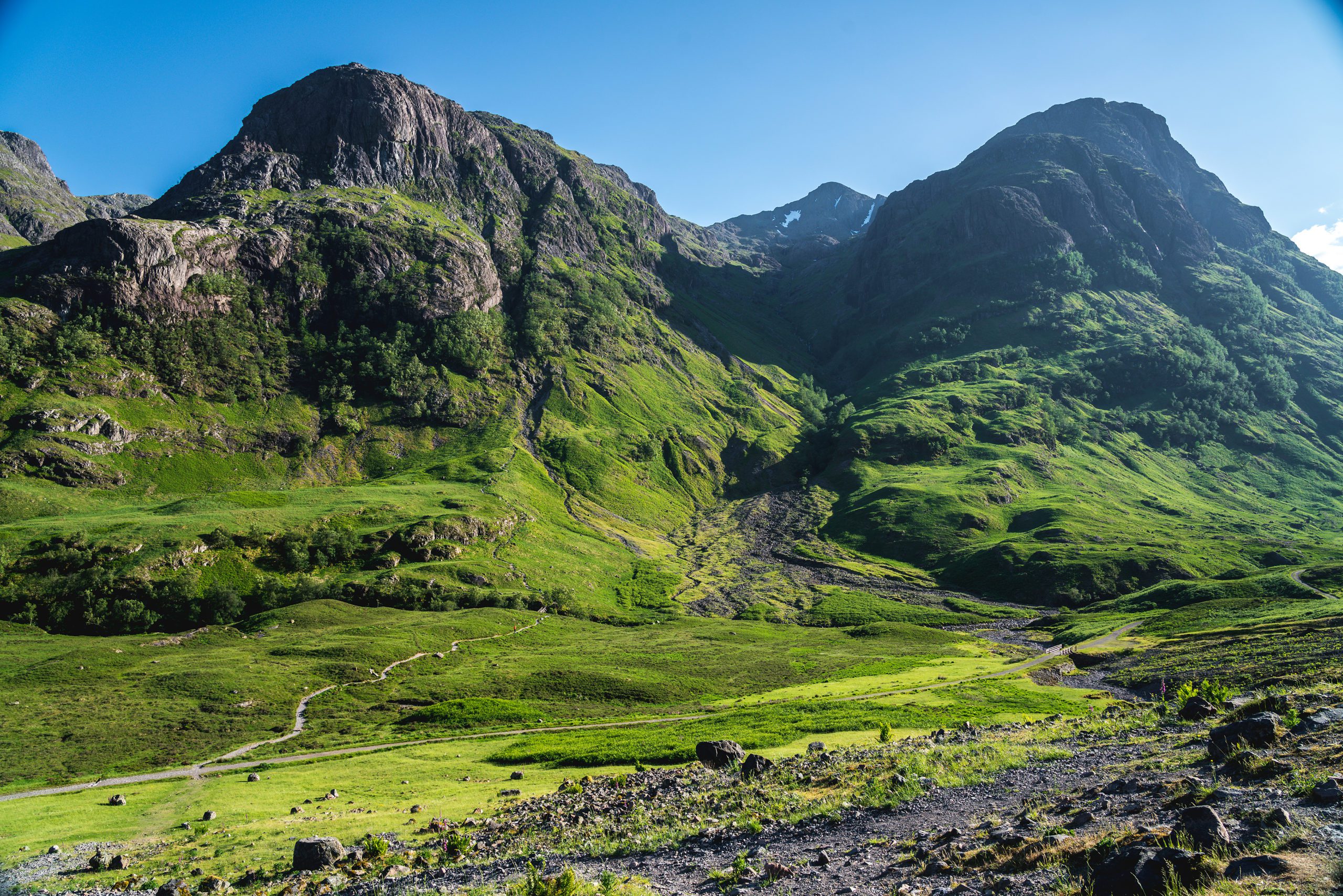
Glen Coe Rock Climbing
Glen Coe is the most dramatic climbing valley in Scotland and one of the most atmospheric in Britain. The Buachaille Etive Mòr at the head of the glen is the…
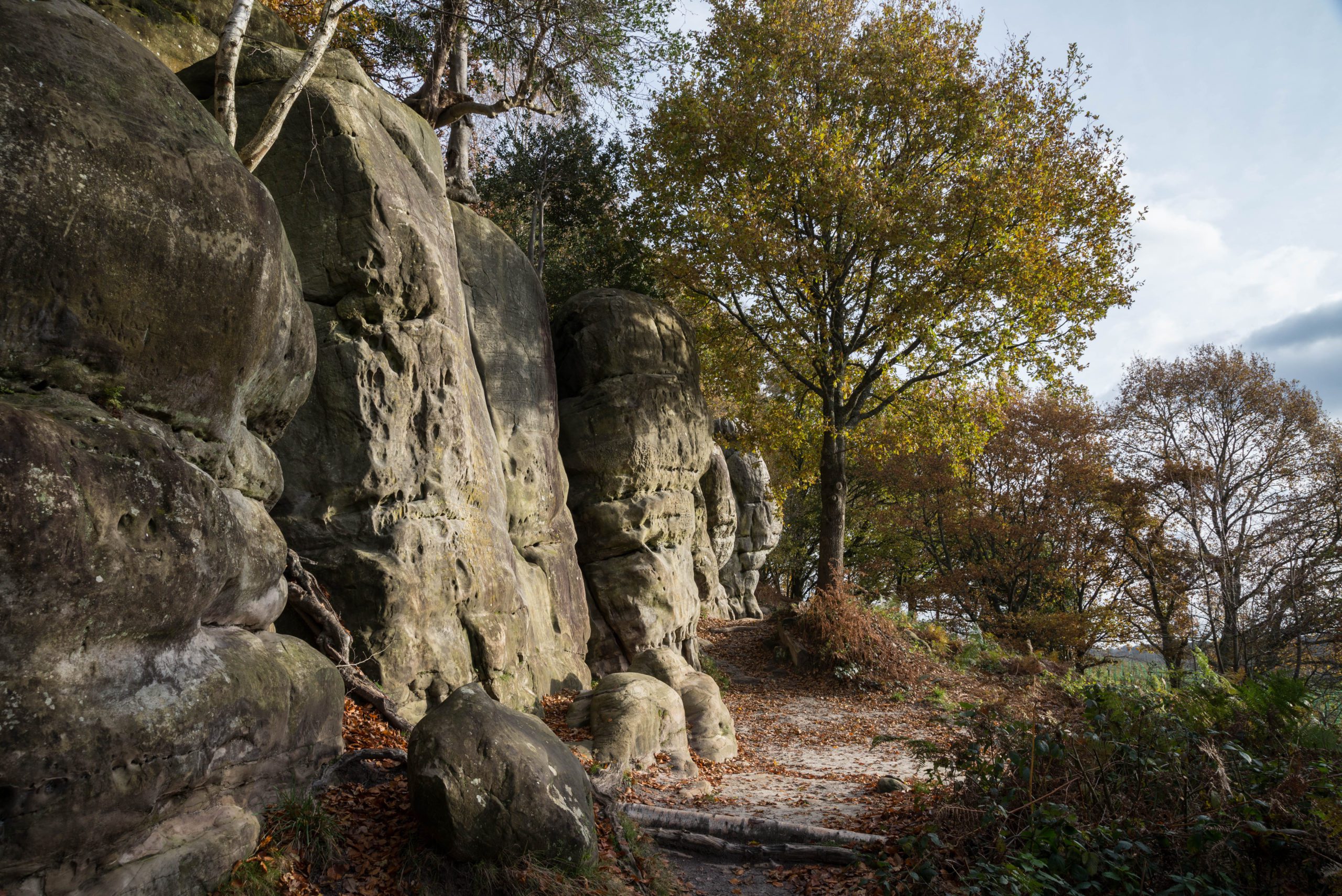
Harrisons Rocks Rock Climbing
Harrison’s Rocks is a half-mile crag of soft sandstone outcrops in High Rocks Wood near Tunbridge Wells in Kent — the largest of the southern sandstone climbing venues and the…

Lake District Rock Climbing
Lake District climbing covers a vast range of rock types and altitudes — from sea cliffs at St Bees to the high mountain faces of Scafell, Pillar and Pavey Ark.…

Lundy Rock Climbing
Lundy is a small granite island in the Bristol Channel, three miles long, half a mile wide, with roughly twenty residents. It also holds some of the most committing trad…

Peak District Rock Climbing
The Peak District is the cradle of modern British climbing. Gritstone edges run along the moorland skyline from Stanage south through Burbage, Froggatt and Curbar — short, steep, traditionally-protected routes…
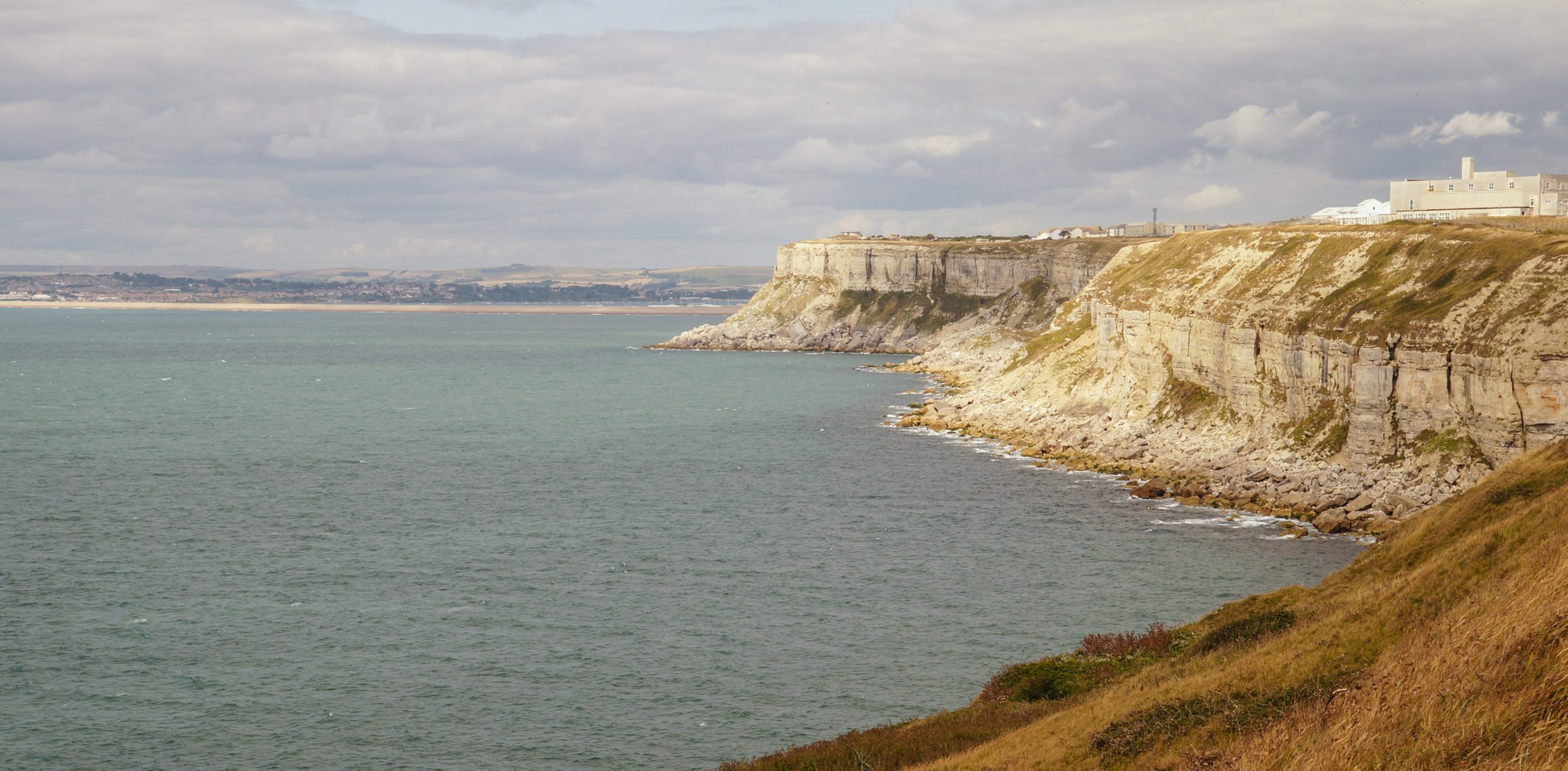
Portland Rock Climbing
The Isle of Portland off the Dorset coast is the UK's largest concentration of sport climbing — over a thousand bolted routes across the limestone cliffs of the south, east…
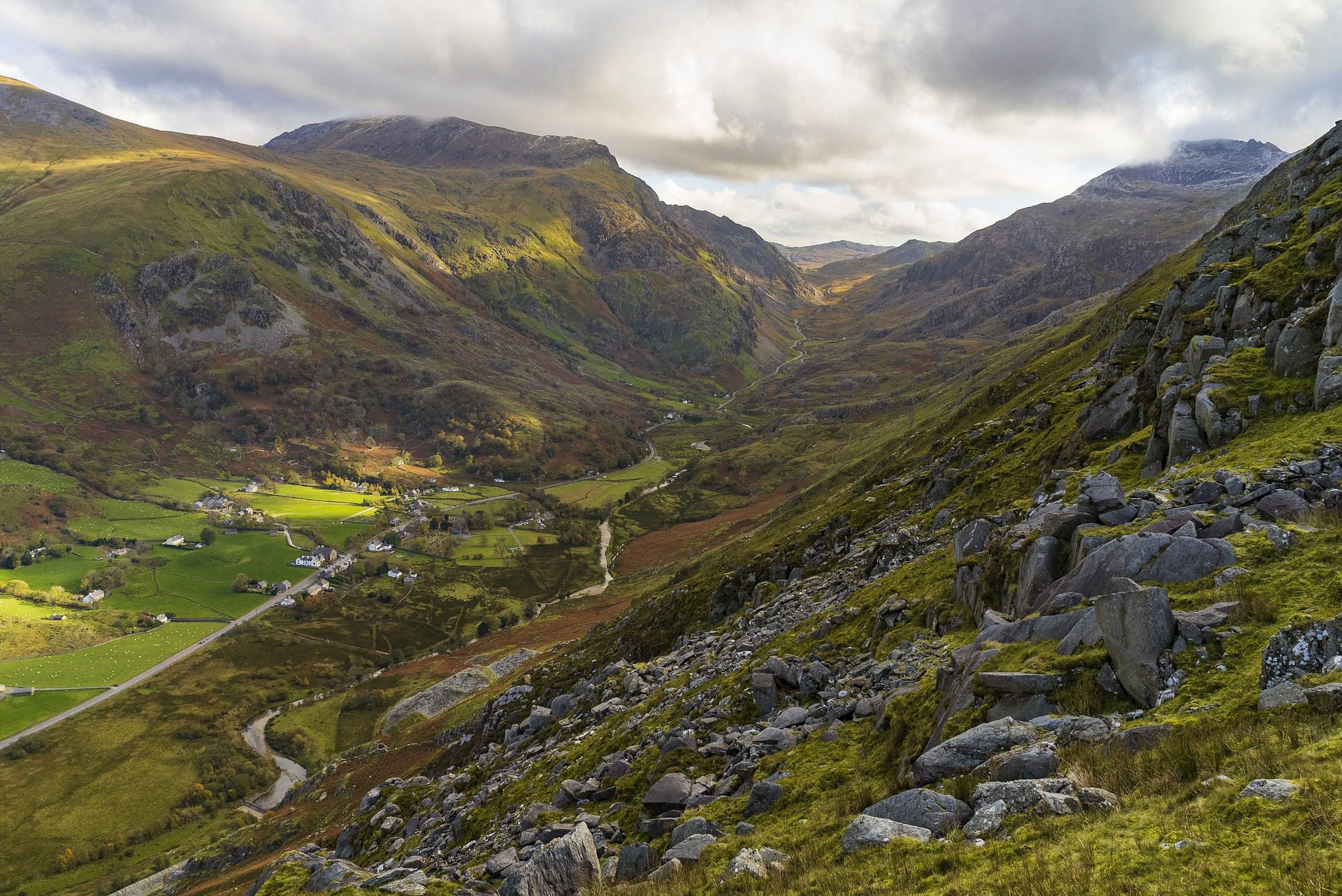
Snowdonia Rock Climbing
Snowdonia is the heart of mountain rock climbing in Britain — the place where most multi-pitch trad climbers in the UK serve their apprenticeship. The classic ranges (the Glyderau, the…