Surfing
in the UK.
UK surfing is an Atlantic-coast tradition with a serious depth of culture.
Atlantic swells,
cold-water heritage.
Cornwall and North Devon catch consistent groundswell from October to March; Pembrokeshire and the Gower hold quality on the right wind; Tynemouth in the north-east is the year-round east-coast outlier. Bring a winter wetsuit and you’ll find waves that quietly rival anywhere in Europe.
Common questions,
answered briefly.
Who is UK surfing for?
Anyone reasonably comfortable in cold water. The forgiving beach breaks of Cornwall, north Devon, the Gower and the Llyn Peninsula are some of the most beginner-friendly waves in Europe. The same coastline also serves experienced surfers — the Atlantic swells are big enough to host UK national competitions and to feed reef breaks that are the equal of anywhere in northern Europe.
Where can I surf in the UK?
Cornwall is the obvious heart — Fistral, Sennen, Perranporth, Praa Sands. North Devon has Croyde, Saunton, Putsborough, Woolacombe. South Wales has Llangennith and the Gower; north Wales has Hells Mouth on the Llyn Peninsula. The north-east coast has Tynemouth, Saltburn and Scarborough. Scotland's east and north coasts hold genuinely world-class waves on the right swell — Thurso East in particular.
When is the best time to surf?
October to March gives the biggest and cleanest waves, when Atlantic groundswells reach the UK coast. Summer waves are smaller and gentler — the better learner season. The water temperature lags the air by a couple of months; September is the warmest month for being in the water, February the coldest.
What gear do I need?
A wetsuit appropriate to the season is non-negotiable: 5/4/3 December to March, 4/3 spring and autumn, 3/2 summer. Booties and gloves from November to April on most coasts. A soft-top foam board (8' or 9') for beginners; a shorter performance board comes later. Surf schools include all of this in their hire fee.
How do I get started?
Book a lesson at a Surfing England- or Welsh Surfing Federation-registered school in your closest surf town. Fistral, Croyde, Saunton, Llangennith, Sennen and Perranporth all have multiple long-established schools. A two-hour lesson with full hire runs around £35-£50. Three or four lessons over a long weekend is the standard introduction.

Bantham Beach Surfing in Devon
Bantham Beach is part of the south Devon coast at the mouth of the River Avon, two miles east of Bigbury. Together with Bigbury, it forms the most consistent south-coast…

Bigbury Beach Surfing in Devon
Bigbury-on-Sea sits on the south Devon coast at the mouth of the River Avon, with Burgh Island (and its art-deco hotel) just offshore. The beach faces south and catches occasional…

Croyde Bay Surfing in Devon
Croyde Bay on the north Devon coast is the most consistent UK beach break for intermediate and advanced surfers — a heavier, more powerful wave than most of Cornwall's beaches,…

Fistral Beach Surfing in Newquay, Cornwall
Fistral is the UK's most famous surf beach — a wide, west-facing bay on the north Cornwall coast that catches almost every Atlantic swell going. It's the home of British…

Gwithian Beach Surfing in Cornwall
Gwithian Beach is part of the three-mile sweep of sand stretching from Godrevy Point south to Hayle on the north Cornwall coast. It’s one of the best beginner surf venues…

Hells Mouth Surfing in Wales (Porth Neigwl)
Porth Neigwl — usually called Hells Mouth — is a four-mile west-facing bay on the Llyn Peninsula in north-west Wales. It's one of the most consistent surf breaks in Wales…

Llangennith Beach Surfing in Wales
Llangennith Beach on the Gower Peninsula is the longest and most exposed surf beach in south Wales — a three-mile west-facing stretch of sand that catches more swell more often…

Manorbier Beach Surfing in Wales
Manorbier Beach sits on the south Pembrokeshire coast, three miles east of Tenby — a sheltered south-facing bay backed by Manorbier Castle and the Wales Coast Path. The bay’s shape…

Perranporth Beach Surfing in Cornwall
Perranporth is a three-mile north-facing beach on Cornwall's Atlantic coast — a forgiving, accessible surf spot that's been one of the standard learn-to-surf venues in the UK since the 1960s.…

Praa Sands Surfing in Cornwall
Praa Sands is a mile-long south-facing beach on the south Cornwall coast between Helston and Marazion — one of the few south-coast Cornish beaches that consistently picks up surf. Because…

Putsborough Beach Surfing in Devon
Putsborough is the quieter southern end of the Putsborough-Woolacombe three-mile beach in north Devon — the section preferred by surfers wanting a less crowded line-up than Woolacombe village provides. It’s…
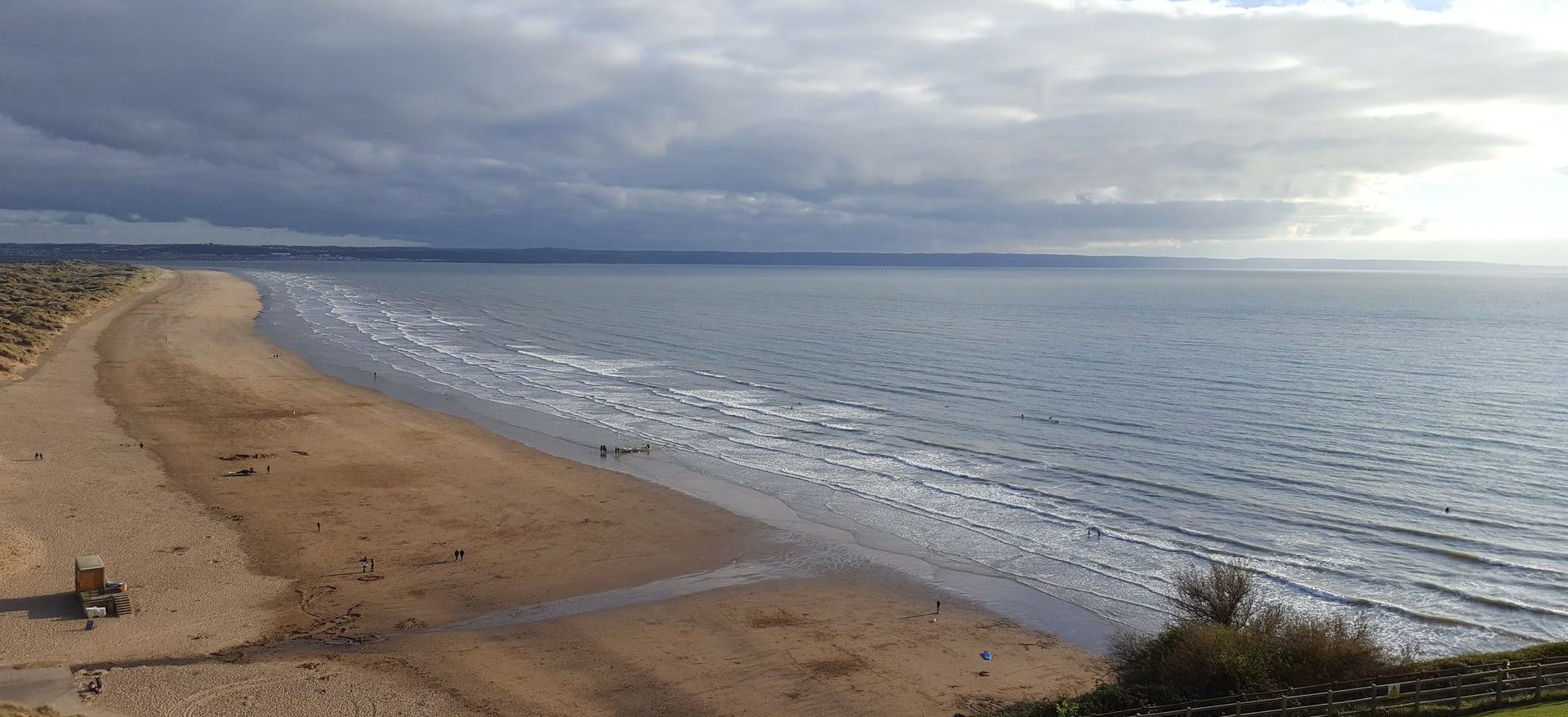
Saunton Sands Surfing in Devon
Saunton Sands is a three-mile sweep of beach south of Croyde — gentler, longer, sandier — and the best longboarding wave in England. It's the natural choice for beginners stepping…

Sennen Beach Surfing in Cornwall
Sennen Cove is the most westerly surf beach in mainland England — a north-facing bay near Land's End that catches plenty of swell but, because of the angle, often holds…

Westward Ho! Surfing in Devon
Westward Ho! is the longest-established surf town in the UK — the British Surfing Association was founded there in 1966, and the beach has been part of the British surf…

Woolacombe Beach Surfing in Devon
Woolacombe Sands is a three-mile beach on the north Devon coast between Croyde and Saunton — the longest dedicated surf beach in Devon and the family classic of the north-Devon…